Posted on

Why Diets Don’t Work

Yo-yo dieting is exhausting (I should know- I started when I was 13 and didn’t stop for well over a decade). 

As isolating as those years of counting calories and restricting carbohydrates were, I now know I was not alone in my battle with disordered eating. As a registered dietitian, women from all walks of life have shared their struggles around food, dieting, and body image with me on a regular basis.

Kendra, a 42 year old stay at home mom, has been trying to diet off the same 10 pounds since she had her second baby in 2012. She can’t remember the last time she ate a slice of pizza and didn’t worry about it ruining her progress.

Lucy eats clean all day- no bread, no dairy, and certainly no sugar. At night, she binge eats saltine crackers dipped in peanut butter, oatmeal smothered with dark chocolate chips, and shredded cheese melted on tortilla chips. She believes she needs more discipline, but I say she needs less restrictions.

Nellie lost 30 lbs doing keto. She gained 35 of them back. She tried keto again but now, it’s not working. She feels confused and frustrated at her body.

So why don’t extreme diets work? There are a few reasons…

  1. Diers are often cookie-cutter. Most diets are one-size-fits-all, which doesn’t align with the fact that we are all individuals with different genetics, lifestyles, body compositions, and personal preferences. I can’t tell you how many perimenopausal moms tell me they “failed” following the meal plan a 22 year old trainer dude made them. They didn’t fail, they just needed an approach that took their age, hormones, and lifestyle into account.
  1. Diets are unsustainable. Many diets are businesses, and they’re trying to get participants’ results quickly. To do so, they require them to eat very few calories and carbs, or they restrict major food groups. Once the diet ends, the dieter returns to normal eating and bam, regains all the weight. 
  1. Restriction sucks. After a few weeks of “willpower,” most dieters find themselves sneaking any off-limit foods set by the diet. Whether the plan deprives the participants of sugar, bread, pasta, chips, or cheese, it usually ends with a binge and feelings of guilt. 

Not to mention, extreme diets don’t teach you how to eat for regular life (but they do train you to fear food and distrust your body). What’s the point of starting if you can’t stick to it for the long haul?

As tempting as extreme approaches and quick fixes may sound, you have to stop dieting if you want to stand a chance at getting results that last and improve your relationship with food.

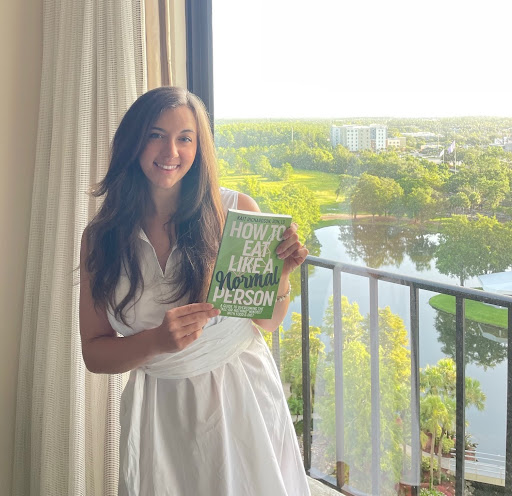
In my book How to Eat Like A Normal Person: A Guide to Overcoming the All-or-Nothing Mindset with Food & Diet, I’ll teach you how to adopt a balanced and nutritious approach to eating. Through six stories of my real life clients, I’ll share the eating and mindset strategies that helped them find peace with food and feel confident in both their body and choices. You won’t get a list of foods to avoid or restrict. Rather, you’ll learn what to eat more of so you feel more in control of food.

After reading How to Eat Like A Normal Person, you’ll never have to diet again!

Written by Kait Richardson, Registered Dietitian Nutritionist and author of How to Eat Like A Normal Person: Guide to Overcoming the “All-or-Nothing” Mindset with Food & Diet. You can follow her on Instagram @kaitrichardsonrd.

Posted on

Research and Writing

Any author knows that an important part of crafting a solid story involves a decent amount of research. Facts, figures, locations, language, environment, time… the devil is in the details. And having all your proverbial ducks in a row can give your audience a truly immersive experience whether you’re writing something realistic or in your own fantastical world. Well-researched content adds depth to a story and in a way, gives more credibility to the author as an expert on a certain topic (yes, even in works of fiction!) What’s the saying? Writers write about what they know? So, if you haven’t done your homework on a specific subject, why would you attempt to write about it? Even in the realms of fantasy, readers tend to feel more comfortable and connected when they are grounded in some tangible form of reality, so it’s important to have your world have logic and rules and consistency. A little bit of research can definitely go a long way.

My Dawn of the Blood Witch saga is purposefully crafted around events in history. I take my characters all over the map, and through many different eras of time, using real stories as the backdrops for my plots. The research can get intense because I don’t want to have any inconsistencies or have anything misrepresented (witches are very serious business, ya know). I include infamous serial killers, ancient Christian practices, the Salem Witch Trials, widely known kidnappings, cults and exorcists (to name a few things) throughout these books and the amount of hardcore research I’ve done to get things to fit ever-so-perfectly has been a daunting task. I often find myself going down rabbit hole after rabbit hole chasing ghosts and legends so that it not only makes sense for the reader, but also in my in my head, and within the context of the overarching story. There are a lot of moving parts in this series, so it’s important for me to be precise. 

While it’s another form of work—of the entire process—researching your topic can actually be fun. Yes, I said fun! All the little tidbits and additions to each book help to tie everything together. I love dropping Easter eggs and when readers reach out to me and say things like, “Oh my God! You said that in book 2, and then it like happened in book 4, but book 4 takes place before book 2!” Mind-blown moments like that make the tedious research so rewarding. Or when someone tells me they have a kinda-obsession-kinda-crush on Ricky Kasso, too… makes me feel like I’m not the only weirdo in the world. 

The bottom line is this: know your stuff. Know what you’re talking about. Present the information in your world in a well-prepared and logical way. Readers will pick up on it and have a stronger attachment to your characters and story. As the author, proper research can empower you to produce work that is meaningful, respectful to your readers and subject matter, and will make your audience want to dive into your entire catalog!

Follow Maria on all the things!

Posted on

From the Author’s Desk: Worldbuilding 101: Consider Your World’s Cultures

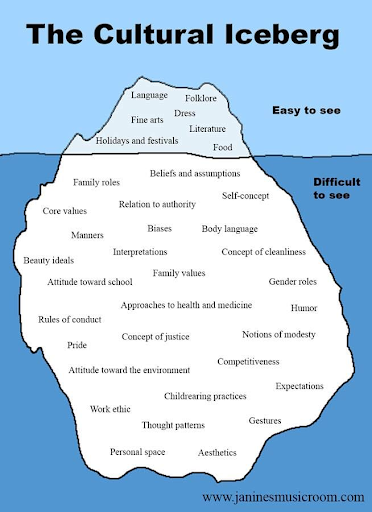
Thinking about the way different people behave is an integral part of worldbuilding. Often it impacts your story, but sometimes, it’s just background that gives readers the feeling that there is a lot more below the water’s surface–that the iceberg is indeed quite deep. One way to do that is to flesh out small details as well as the big picture ideas. 

When it’s time to build the cultural practices of the people in your world, consider the following questions: 

  1. What are the cultural practices of the people in your world? How are the cultural guidelines unique? Are they specific to different groups? In what way? (Do they brush their teeth with their toes? Do they leave their babies with strangers? Do they shave their heads before childbirth? Do they use distilled human remains to lengthen their lives like in Jupiter Ascending?)
  2. How do different groups of people view one another and why? What is the power dynamic between different groups (gender, race, country, etc.)? Are men in charge of women or vice versa or are they equal? Are certain races or nationalities seen in specific ways? (Women are subservient, Vikings are wild men, orcs are evil, Native Americans are noble savages, etc.).
  3. What religions exist in your world? How do they function and who follows them? How important is religion in this world—enough to fight wars over? 
  4. Does slavery exist in your world? How does it work? Which group enslaves what other group? How do people become slaves and how can they be freed? How do other cultures view those who practice slavery?
  5. What is considered a family unit in this world? How does the average person define “family”? What determines who runs a family unit? Is it the breadwinner, the oldest, the one born under a good sign?
  6. Are small or big families common in your world? At what point has one reached a “big” family? Is this a social status thing—do lower classes have fewer children while higher classes have many?
  7. What is the general attitude toward birth control in your world? Is it available? Is it encouraged or frowned upon? Does abortion exist as a medical procedure or a concoction of plants? How do people view single parents?
  8. At what age is an inhabitant considered an adult? What is the average life expectancy for your people? How does social status affect that projection? Do wealthier people live longer?
  9. How is adulthood different from childhood? Is “childhood” a thing in your world or are children expected to behave like little adults from the time they can walk and communicate?
  10. What are common child rearing practices among inhabitants? How are children treated in your world? How do parents discipline their children? Are children expected to work right away or can they wait until they are older?
  11. What kind of stories are told to the children of your world? Is there a boogeyman? What are children taught to fear? To respect? Why?
  12. What kind of games do children play? Where do those games come from?
  13. What are some of the sports in your world? How are they played?
  14. What is considered art in your world? Is it the traditional Humanities (painting, sculpture, music, literature, etc.) or is there more to it? Do people argue about what is “art”? Is art valued in this world or seen as a waste of time and energy? Is reading stories or listening to music a treasured moment or a lazy indulgence?
  15.   Can the average person in this world read? Are fiction/non-fiction books a thing, or are they oral stories, or both? How many books does the typical person in the world have at home? What kind of books would a person read—fiction, history, science?
  16. How do people relax in your world? What are some common hobbies? What activities would the average person do at home after the “major” work of the day is over—needlecraft, painting, sculpting, cooking, watching television?
  17. Is the schedule of the average person set by sunlight and everyone goes to sleep at sunset, or do people stay up after dark to do things? Is non-natural light available? How is the average day divided into work and play? 
  18. Are there major holidays in your world? What are they? Where did they come from?  How do inhabitants celebrate important days throughout the year? Do people celebrate equinoxes/solstices? Are certain days more important than others? 
  19. How do inhabitants keep track of birthdays? Are they celebrated? Do birthdays involve cake and presents or something else? (Hobbits give away presents on their birthday.)
  20. What are common hygiene practices for the people? Do they bathe every day, wear perfume, wash their clothes often? Is there an industry of products around hygiene (hair, body wash, soap, make-up, etc.)?
  21. How much food does the average person have in their home? Is it common for people to make dinner at home, or do they grab food elsewhere? Is food delivery a thing in this world (Doordash, Uber eats, etc.)?
  22. What are some popular foods that are unique to your world? What is considered a lavish meal, an afternoon snack, a poor-man’s-breakfast?
  23. Is food preserved in some way, or is it all fresh? Do people store food for the winter because they must supply it themselves, or is it always available?
  24. What do the inhabitants of your world celebrate (birth, graduation, new cars)?
  25. What do they grieve (war, famine, death of a loved one)? What do they fear (spiders, zombies, pandemic)?
  26. What do they love (other people, satisfying pens, great advice)?
  27. Do people have pets? What is considered a normal pet in your world? Where is the line between a pet and a food source?
  28. What do people value? What is considered beautiful or handsome? What facial/body features are prized right now?
  29. Are certain traditions prized more than others? What practices are looked down on by most people?
  30. How much does the average person know about the cultural practices of other people?

Considering the answers to some of these questions when you aren’t writing will allow you to continue writing when you reach the moment when you need to insert a detail about one of these beliefs or behaviors or practices. Like thinking this way? Check out The General Worldbuilding Guide for more questions and fun activities!

Posted on

From the Editor’s Desk: The Horsemen Are Looking for Proofreaders!

Do you like reading books? 

Do you have an eye for lingering errors in the books you read? 

Would you like to get paid while getting a sneak peek at upcoming 4HP releases? 

4HP is currently seeking proofreaders with an eye for detail to Quality Control our books. As a QCer for 4HP, you would read the book (after it has gone through editing) and fix any outstanding grammatical or formatting issues (mostly punctuation, typos, missing words, and the occasional odd spacing). You are not editing the book; you are only seeking glaring mistakes and fixing them. 

How does QC work at 4HP?

Essentially, you would choose the book you want to QC, download the document in Word, read it, fix any errors using Microsoft Word’s Track Changes, and then submit the manuscript by the deadline. Our books range from 25k-125k in multiple genres, and most have a two-week period in which to read and return them. QCers choose the books they want to work on, so you don’t have to read anything you don’t want to. All work is voluntary. 

How much does 4HP pay for QC?

4HP pays $50 per book, regardless of length, on a contract basis. You would submit an invoice through Wave for each completed book (1099 for taxes). If you are not familiar with Wave, it is a payment processing software that we have our contractors use. You need an email and a bank account to sign up.

Other Stuff You Should Know

  • 4HP is a mid-size publisher who focuses on fiction series, so books will range from romance and erotica to fantasy and science fiction to thriller and mystery. We also have a non-fiction imprint called Accomplishing Innovation Press, so there will be some non-fiction available as well. Check out our websites at 4horsemenpublications.com and accomplishinginnovationpress.com
  • We exclusively use Word at 4HP, so you would make any changes using Word’s Track Changes. Other programs like GDocs do not integrate with our system, so you would have to use Word for everything (Making changes inside gdocs causes massive issues during layout–you can’t see it in your document, but we find out about it later!).
  • If you like to read, have an eye for details, and know proper grammar and punctuation, this is a great way to get paid to read a variety of books!

Does this sound like something you are interested in? If so, email editing@4horsemenpublications.com and share a bit of your background and interests. If you decide to pursue this opportunity, the interview process begins with an NDA (since you are reading books that aren’t published yet) and a sample chapter for you to QC. 

Do you like to read and want to dip your toes in the editing pool? This is a great way to get started by reading books and getting paid to spot errors!

Posted on

From the Editor’s Desk: Little Things That Make a Big Difference

I am both an author and an editor, and it’s important to know the difference when the time comes to switch roles. I can write my own work. I can edit other people’s work. I can kinda sorta maybe start to edit my own work. But ultimately, I’m never going to see all of my mistakes, so I need another pair of eyes on it if I want it to head into typeset error-free (or as error-free as any other book can possibly be!). That said, there are definitely things I can do to my own work to help the editorial process along. 

  1. Take a break. 

Yes, I said it. Walk away from the manuscript. Yes, I wrote it. Yes, I love it. Yes, I wrote it because it’s exactly the kind of book I like to read, but if I want an objective view as I tangle with my sentence structure and word use, I need to have some space (preferably in time, but also in distance, I suppose) between me and when I wrote the book. I’m not saying you need to hide it in a drawer for years, but give yourself a few days to let it settle before approaching it with your prepping-for-editor eyes. If you go directly from composing something to reading it, your eyes will see what you wanted to say, not necessarily what is on the page. Anyone who has written what they considered a semi-passable paper at 4am, printed it out, and then sat in that 8am class staring at a first line that is missing half the words knows what I am talking about. Give your brain a break to see what is actually there. 

  1. Prepare to re-read your book at LEAST twice. 

The first time you re-read your book, settle in somewhere comfortable, preferably soft, with a beverage of choice nearby. Your goal during this read-through is to read the book as a reader would. Immerse yourself in the world you created. Meet the characters anew. Make sure that the story goes where you wanted it to go (and tweak all those little annoying story details that no longer make sense now that the story is finished). Don’t stress out about grammar during this read-through. Focus on the story and the details. Gauge the plot, the pacing, the character development, and the dialogue. Appreciate your work as a whole. 

The second time you re-read your book, sit somewhere serious that you associate with work, like a desk or kitchen table. It’s time to read for grammar. That means doublechecking spelling and capitalization. Look for incomplete sentences or phrases that don’t make sense. Check your punctuation, especially around dialogue. Have your reference guides handy during this process (or use google if in doubt). Please do not rely on Word’s editor and even Grammarly. They try heard and mean well, but they are programs that do not know what you are trying to say. They may fix it correctly, but they may make it much worse. Trust your own voice first. And if you aren’t sure, like I said, google it. I guarantee you there is a blog or video about the exact thing you are wondering. If you have an editor friend, ask them (but don’t bombard them unless you plan to pay them for their time–wordsmithing is their job, and unless they spend all weekend asking you questions about your day job, don’t assume their knowledge is free unless they offer it). 

  1. Send it to an editor (or a very helpful beta reader).

I know I already said it, but this is the time to send your book to the editor. You’ve fixed as much as you possibly can, and the rest is for another pair of eyes. That’s fair. Beta readers and proofreaders are your friends at this point if you can’t use an editor. If it’s all on you this time, consult some references. I always recommend Woe is I by Patricia T. O’Conner for grammar questions and Eats, Shoots & Leaves by Lynne Truss for punctuation issues. I can now also recommend 10 Steps to Save Your Editor’s Sanity (available for pre-order from Accomplsihing Innovation Press). 

  1. Read it one more time. 

Oh, come on. You’re not sick of it. You love it. Enjoy it one more time and see if anything awkward or weird jumps out at you. Take a moment to appreciate this moment. You created a new story and are ready to release it into the world. You rock.

  1. Now, start over with a new story!
Posted on

What Authors Need to Know About Newsletters

Let me be honest. At the beginning of my own career, I too avoided the infamous checkbox of an author newsletter without fully understanding the weight of that decision for not only my career, but also in correlation to my readers and sales. Regardless, as many of us often eventually do, I reached out to a marketing professional asking for help on developing a marketing plan since I was missing the mark on book reviews and sales. Sure, my book has won awards, gotten accolades, invested in Blog Tours, Book review Tours, and so much more. Time and money never to be seen again with very little results can dishearten anyone and worse, feed that monster we call Imposter Syndrome. It was this one tiny piece of conversation that made it clear, my only mistake was avoiding a newsletter:

Marketer: Where’s your newsletter?

Me: People still do those?

Marketer: Oh no…

Honestly, she gave me one homework assignment: MAKE A NEWSLETTER. Then pointed me in a direction, and told me “KEEP IT ACTIVE!” And I half-assed that advice. 

The results? 

Well, after struggling to get 16 reviews on an award-winning book for 6 years (including giving away 5,000+ free or discounted copies in one of those years), from Mid-Jan to Mid-Dec, I had jumped to 60+ Amazon reviews and started seeing constant monthly sales. 

The secret? 

I made a weak attempt at making a newsletter. 

What Do You Write?

Don’t overthink this. It can literally look like an email and text only style. You don’t have to be fancy and program logos, drown it in art and graphics – none of that matters. Getting it started and sending the newsletter out and being consistent matters more. What should you write? Remember this person just gave you their email, the virtual version of a phone number, and invited you to “call me” knowing you intend to talk about you, your books, and push for reviews, sales, and support. Don’t be shy. There’s nothing shameful about writing to these fans. YES FANS. READERS. YOUR READERS.

Instead of thinking about the 20/200/2000+ people you are sending this to, hyperfocus on a single entity named “Your Reader” and talk to them. Make this the slowest conversation you have ever had, make them feel like the two of you just became pen pals. You can be casual and short. Share what inspired the story, why you write, and every so often ask if they have left a review for other readers to know what to expect. If you have a wide span of monsters, or characters, have some fun and every so often send them a profile or compendium style entry. On holidays give them an exclusive short story or even invite them to be your ARC readers if they have opened your last 5 emails. REWARD ENGAGEMENT. 

It’s ok to send them invitations to events or announce pre orders, but a majority of the emails from you should be conversational. You’ll be shocked to see how many reply and engage in emails with you depending on what you’ve written. Some may even apologize for forgetting that book review, so be sure to let them know it’s ok, and how much you appreciate they cared to even tell you that much! THEY ARE HERE FOR YOU.

Automation and Drip-Campaigning

We always hear that phrase, “work smarter not harder” and considering us authors LOATHE marketing (in most cases or simply introverts), this is one way we can do just that. Many newsletter or mailer sites allow you to gain access to automated emails, or journeys (may cost more to access i.e. MailChimp). These can be a lifesaver for keeping consistent engagement. Instead of stressing about creating fresh content, you instead CURATE content in 1/2/4-week intervals for the ideal reader or target person. Again, these can be super simple that are set to send after a timer of X amount of days have passed since the previous email was sent to the subscriber/email in question. 

Again, this doesn’t lessen the intimacy of your interactions, but it can also show you when you are being engaging and which email/newsletter fell flat and should be changed. The reader can still “reply” to these emails and you can engage one-on-one with the readers who do reach out, respond, and so forth. This is meant to help you focus your target audience into a single entity, which overall, is much easier to engage with. 

Be sure to sneak in a reminder every so often for a review or even remind them this is part of a bigger collection or series, but for the most part it’s a great way to share inspiration and intention about your journey and writing. This is only 13/27/53 emails to establish the first year depending how often you want to “drip” an email into their inbox!

Where and When Do I Start

This is one of the most COMMON questions I get when people realize they are going to have to rip this bandaid off and get cracking on a newsletter. Many start with a conversation with me that goes like this: 

Author: I published my book on Amazon about five years ago, but I only sold like 12 books.

Me: Who did you tell that you published your book?

Author: Well, I published it on Amazon.

Me: Over a thousand or more books are published on Amazon every day. Name one that was released today?

Author:  I don’t know what was published on Amazon today.

Me: Then how does everyone else know your book is on Amazon today as well?

You have to tell people about your book. 

Otherwise, no one knows it exists no matter where it’s posted or sitting on a shelf at!

  • Where do I get emails or find subscribers?
    • Start close to home. Inform and provide a link to those on social media, family, friends, colleagues, peers, and anyone in reach. It’s amazing how many will join to support you on this first step.
    • Sign up sheets or tablets at live events are old skool but still works wonders! These are folks who have physically met you and your books and want to be able to follow along or know more in the future!
    • BookFunnel, StoryOrigin, and similar sites can be affordable resources for book-specific readers willing to trade samples and free books for email collection. 
    • You can also do Author swaps. Feature a book and link to sign up for another author and swap interested subscribers this way.
    • There are purchasable “email lists” but I advise caution due to a few reasons. For starters, the money spent here isn’t the same as elsewhere, the unsubscribe rate can be high and cause your newsletter to start landing in SPAM folders or be flagged, and there’s no confirmation how OLD the lists are that you are receiving.
    • Always have a sign up on your website! It’s still surprising how well this works, but remember, no one knows to sign up unless you tell them.
  • I don’t have a book out yet, so I don’t need one right now.
    • WRONG. You need one now. If I could go back in time, I would have been gathering readers and sharing progress and snippets while I was writing before I ever had a publisher or date or full manuscript. 
    • Not comfortable that too soon? That’s ok. Once you do have a preorder live, now is definitely a good time to start pushing and announcing your book. Share samples, gather a street team, early reviewers, and share behind the scenes about the story and what you’re doing to gear up for the release.
  • I only have 1 book out right now so I have nothing to push to my newsletter.
    • YES YOU DO. You have a book… out! RELEASED! Let people know, talk about what’s next, what you want them to know about said book, and more. Readers are reading your work, but how can they talk to you? 
    • There’s more than just pushing a book. Engage with readers, review books, discuss topics, and more. Interact with the fans so when that next book comes along, they are primed and ready to go.
  • I don’t feel comfortable emailing strangers.
    • They aren’t strangers. They’re YOUR READERS. Who want to know you and your writing. Again, stop seeing a room full of strangers and start seeing an adoring fan talking about what you wrote over a cup of coffee, tea, or even a glass of wine. TALK TO YOUR READERS. They gave you an email, and permission to do so.

The Numbers You Should Know

  • Publishing Industry average open rate for newsletter emails has been at 12-15% for “open rate” while Author Newsletters often fall between 25-65% open rate. We have better results than publishers and PR firms.
  • On average in 2017-2022, most author newsletter subscriptions noted to see roughly 20-27% of the total audience buy or review the book when presented with the opportunity. 
  • Most newsletters should fall between 200-1200 word count for the average online reader. Though sample chapters and freebies are expected to be longer.
  • Authors who send weekly emails always see more engagement and higher results for open rates than those who send monthly by 15-30% depending on style and genre.
  • In 2023, 75% of new subscribers for Self-Published authors came from a link or QR code in the back of their books and 69% from links on social media. (Psst! TELL SOMEONE!)
  • Most report have under 500 super engaged subscribers, or a mixed bag between 1,000-5,000. It’s about QUALITY over QUANTITY!
  • The average click rate on selling or pushing a product is 2% on average across ALL INDUSTRIES. Anything higher and you’re doing an amazing job and keep it up! Lower? Consider trying other ways to announce or present the book in those newsletters!
  • There are 8 billion residents on Earth… and over 4 billion of them are EMAIL USERS. That means the reach via email is still far greater than that of social media!
  • 69% of Marketers in 2024 have reported using exclusively email marketing to distribute content and reach consumers.
  • 6 out of 10 consumers say they bought using a link in emails in 2024.

Discover More

Like the advice and information you see here? Follow me on social media where I often post videos talking about and discussing my own tribulations as well as encouraging others to excel. From advice about writing, book design, to insight on my own work and creations that may prove inspiring. Stay connected here at WillisAuthor.com OR https://linktr.ee/WillisAuthor

Posted on

Trigger Warnings: Why they are important!

As a publisher I get this question a lot: Do you agree with trigger warnings on books?

There was a fantastic article written by Jamie Beck on Writers Unboxed you can find here:

I agree 100% with Jamie that this is a complicated question. However, having looked at what so many are saying I have a way I look at this topic.

One of my first realizations of how this can be important to readers was my discovery of websites such as https://www.doesthedogdie.com/ where it lists any books, tv or movies where a dog is injured or dies. Some people may laugh at this notion, however, for so many this is an issue to the point where a website like this needs to be created and maintained.

In the article by Jamie it was brought up that TV and Movies are including these warnings now as a standard. Some might wonder why these were introduced? Or even the warning system of G, PG, R, etc for movies?

The truth is that there is an audience for any type of TV, Movie or Book. Most would not want a four-year-old to watch a graphic horror movie, so yes, letting a parent know that “Red Riding Hood” (a 2003 horror movie) has an R rating is potentially important. 

But with books, should you let the audience know what they are potentially in for? This is where this debate comes in. If giving these warnings are you doing spoilers or potentially alienating an audience? The answer is Yes and No.

Using the example above, yes, you might alienate part of your audience if you indicate that a dog dies in your book. With that said, the truth is that for some people this is a topic that they simply cannot handle and can cause them to have serious issues if they are suddenly presented with a dog dying in a book they are reading. When someone is “triggered” by something they read or watch, they are the ONLY ones who can determine how that will or did affect them. This is a topic of the individual’s mental health. 

Now, if we are talking about the fact that the dog dying is the end of the book, like in Where the Red Fern Grows, one of my childhood favorite stories. Then yes, I could also see how you might be having a spoiler. However, as with any book or movie, a person is going to decide to read or watch regardless of letting them know a topic may be featured in the story. You are not saying a dog dies at the end of this book. They have no idea where this features in the story or what effect it has on the plotline.

I think letting people know that the book contains potentially triggering scenes does not actually spoil the book. When people read it, they are doing so to get engrossed in the story. You have a book that has potentially one-hundred-thousand words, how does one to five words letting people know something might trigger them derail your story?

Would you rather have a reader walk away from one of your books having been triggered and dealing with that? They are not going to recommend your book to others. They are also not going to leave you a good review. They will also not follow your or buy other books you have written. So what did  the sale cost you versus the royalties from that one book? Heck, they may even post poor reviews announcing critical plot points because they are so upset by being triggered. 

Every person needs the option of caring for their own mental health. How they do this is up to them and if a trigger warning makes them choose not to read your book. This is not a lost reader. This is someone who was not one of your audience to begin with. If a reader sees a trigger and thinks it gives away the story, they are also not your audience. 

A person once told me you could walk into a room of 100 people and all of them could love your book, some could love your book or none could love your book. It does not make your book any less amazing, it just means they are not your audience. There are millions of people out there who will be. Find them!

Ultimately this is a personal decision for the author in the way that many of how you present your books to the world should be. But when looking at the choices such as your genre (BISAC codes), key words and other metadata, remember the reason behind the triggers and if you feel you want to communicate these to your potential readers.

If you do, I recommend putting them under the blurb or in the forward of your book. You can also put them on your website for reference and let readers know where to find them. This way it is making it their choice. 

Yes, this is a hard topic and I might now have the “right” answer, but I hope this helps you look at this from another perspective.

Posted on

From the Author’s Desk: Worldbuilding 101: Let’s Talk about the Weather

An often overlooked element in worldbuilding, the weather is more than just background noise. Tiny details here and there–along with a reliable and consistent system–can bridge the gap between a fun read in an interesting world and a fascinating read in a richly developed world that lingers long after the last page is completed. 

Here are some questions to consider when planning the weather for your world (and story): 

  • What is the typical weather in your world? Are there seasonal changes? Describe these shifts.
  • Is your world big enough to have different seasons at the same time (winter in North and summer in South)?
  • What are some typical weather patterns in your world? Is it the stuff we know: snowstorms, rain, humidity, sunshine, and clouds?
  • Do you have weather phenomena unique to your world? Does it occasionally rain shells in the mountains, or does sand show up over the ocean?
  • How do people respond to the weather in your world? Can they affect it at all (weather machines, magic, or just wear a warmer coat)?
  • What kind of natural disasters are a result of the weather in your world? Do people freeze to death in blizzards, drown in tsunamis, suffocate in mudslides?
  • Do people study the weather in this world? Is there an understanding of weather patterns, or is it just angry gods playing in the sky? Is meteorology a thing in this world or do people guess (“My hip aches—snow’s coming”)? How trusted are meteorologists?
  • Is the weather changing, or has it always been this way? Are the inhabitants of the world affecting the weather patterns (climate change)?
  • Do people have special names for different seasons in your world? What are they?
  • How much does the average person know about the weather in your world?

Bonus questions to ponder:

  • What weather events from our world will you incorporate in your world? Why those and not others?
  • Describing the weather in our world is easy enough based on the location of the situation: it’s colder in the North and warmer in the South. Does your world have such distinctions?
  • In our world, science explains natural phenomena (thunderstorms, hurricanes, blizzards, etc.). How do the inhabitants of your world explain why natural events happen?
  • In our world, we are often at the mercy of the weather. How much agency do the inhabitants of your world have when it comes to the weather? Can they make it rain?
  • How much personal experience do you have with certain weather phenomena and what will you have to research?

When worldbuilding, a good habit is to create a weather tracker for your world (or at least one location in your world—pick the dominant one in your story). You should know the answers to the following questions without interrupting the writing process: What are the seasons of the year? What is the weather like during those seasons? How will the weather impact your story? 
For more Worldbuilding Questions, check out The General Worldbuilding Guide!

Posted on

5 Reasons You Should Pay Attention to Book Formatting

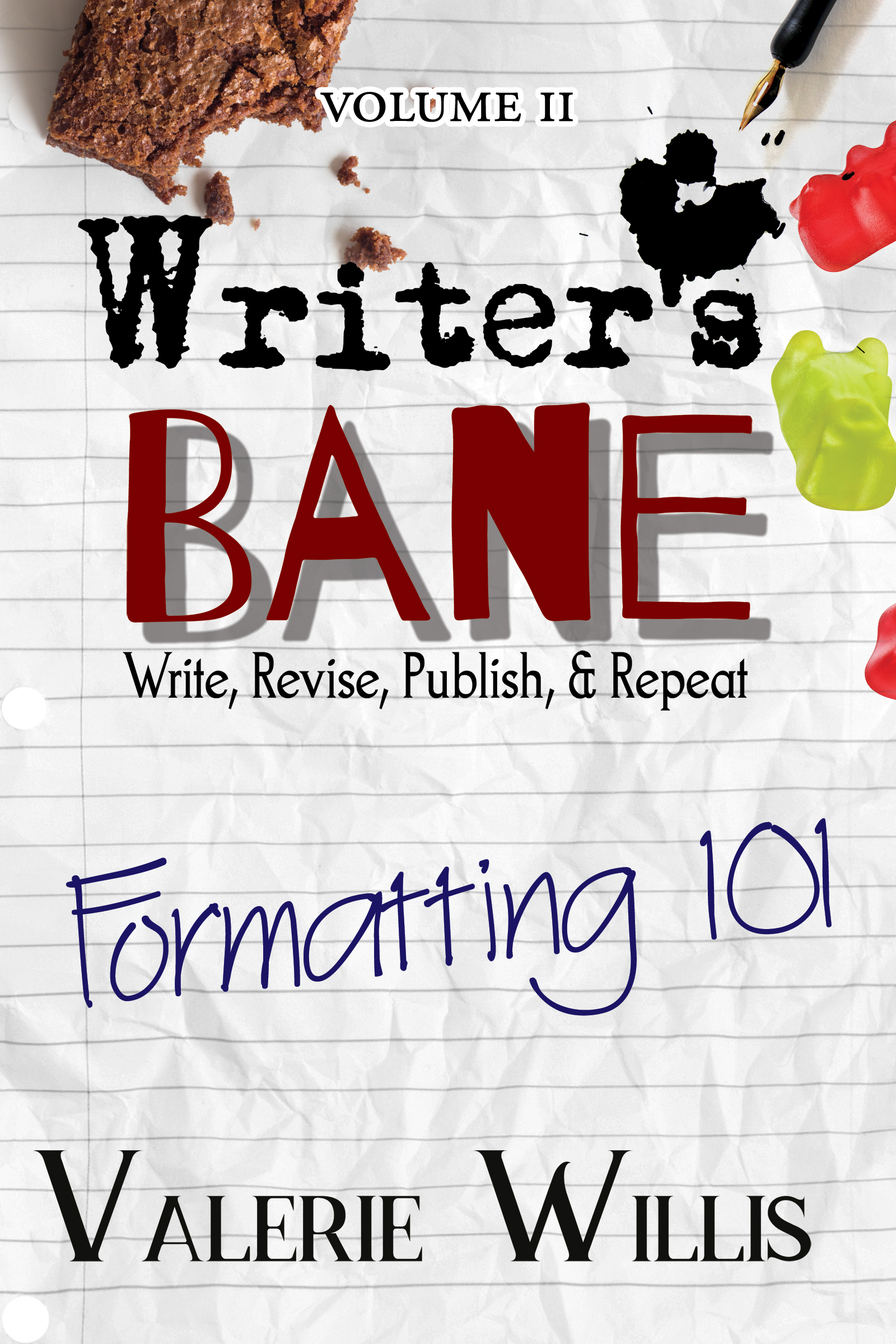
It’s strange to think about the fact that book formatting and layout still shows signs of those early printing press books in the 1400-1500s. Over the centuries, academia has evolved that format to create standards that began to take hold as public consumption increased in the 1800s. Regardless, your book’s format has to fall in line in a lot of ways for several reasons which include guiding and navigation of content, pacing of a story, placement on bookshelves, limit print issues, and reader immersion. If you haven’t discovered Writer’s Bane: Formatting 101, you’ve been missing out on a lot of answers to questions and even a stronger understanding of how impactful formatting is on a book. This includes what goes inside your book, how to prepare a manuscript for a typeset, and how to design the interior of your book. 

Guiding and Navigation of Content

Imagine a world where books didn’t have an expected chronological order to the content presented. I mean, no chapter numbers, no headers, and no page numbers. PURE CHAOS! A book’s format has an expected order and rhyme and reason. If they didn’t, it would be impossible to grasp where the information can be found. Even in “Choose Your Own Path” novels they have clearly written instructions and rely on guiding a reader via the page numbers. Let’s also be mindful that, for example, page numbers should land in the same spot throughout a book, but if this was inconsistent, you would be lost especially in a textbook. 

Keeping these navigational devices in your book in place and consistent means a lot. There have been a few books where page numbers were non-existent, and with so much automation in even word processors, WHY? How am I supposed to know where I am and what page my bookmark fell out? CHAOS. And worse, this example had a Table of Contents with numbers. PURE CHAOS. Be mindful of using all the navigational tools not for you, but your readers.

Pacing of a Story

This starts at the manuscript level and can skew how a typesetter or book designer “translates” the final book format, but be sure to use double returns and marking line breaks (***, #, or some other consistent searchable indication) in the right way. 

For example, double returns often come into play when a flashback starts or ends, a change in point of view or head hop happens in the moment or scene with no jump in time, or in non-fiction change in thought or moving on to the next thought within the same subject matter for that section/chapter. 

As for the line break, this is often where an ornamental icon will be added into a book. These often signal a change or passing of time in fiction work, change in location or jumping to a character not in the current scene, or the start of a new subject matter in a more significant manner in non-fiction. 

Placing these consistently and using them for the age-old expected reasons can help how a reader and story paces visually and limit any confusion. Imagine if neither of these existed in the novel you’ve been reading? MAYHEM!

Placement on Bookshelves

If you fail to fall in line with CMS or similar styling (Chicago Manual Style, APA, MLA, ect.), there’s a good chance that your book will not be chosen for bookshelves in commercial stores, libraries, and schools. It’s not uncommon for schools to require books to be in APA for medical books and degrees while other textbooks on certain matters for researched content may want MLA. Overall, commercial or public consumption often falls under the CMS standards though they aren’t as strict as academic and textbooks can be. These tend to be far more artful and allow more creative means. That doesn’t mean go hog wild and go above-and-beyond to break the formatting until it’s no longer recognizable. We’ve spent centuries to develop these styles and for good reason. 

Limit Print Issues

Margins and layout are also defined under these styles. Not only does it help identify the anatomy of what’s on the page, but these often aid in keeping the content from printing off the page or deeping into the spine of the book. Headers and footers play dangerously close to the edge, but the core content never should come close to this. The information is far more vital if the page prints crooked, right? Often book designers will have to adjust the margins dependent on the printer and press they are sending the file too. For example, for a perfect binding or glue binding Print-on-Demand book we typically set the inner margin with no bleed. Meanwhile, for Smythe Sewn or sew-bound hardcovers we would have to add bleed/trim/margin for stitching and binding to take place. A lot of math gets involved in those final moments of a book’s design that can impact the final look, so be mindful that anything that is pushed to the edge or super close has a high potential of “being lost” or cut off completely. 

Reader Immersion

Lastly, the biggest factor in all of this is the impact your consistency in formatting has on the reader. If the styling and broken style rules are too many, the reader will be confused and most likely will stop reading or even abandon the book. Again, for CENTURIES, books have an order and cadence that readers for GENERATIONS have been taught to read. Breaking the normal expectation in certain umbrellas can have detrimental effects to how readers feel and perceive your book and its content. Bad reviews, low sales, and social media thrashing will be just a few of the impacts here. The way a book is formatted is designed to optimize COMMUNICATION and to alter that has dire consequences and breaks the connection with the readers. Immersion can be granted, but the moment the font changes without warning, or the content isn’t labeled as expected, the reader gets distracted or frustrated. Remember, you’re not formatting for you, but for the audience. Don’t cause chaos!

Discover More

Like the advice and information you see here? Check out the Formatting 101 textbook here at: https://4horsemenpublications.com/product/writers-bane-formatting-101/ . This book holds a variety of answers for those seeking to become typesetters, looking to self-publish their book, or simply want to learn how to communicate and prepare their manuscripts to get the most out of their designers. The Writer’s Bane is a curse and passion, both a want and need to tell a story. In this volume, you will learn the importance of preparing a book for layout as well as laying it out in a way that appeals to your readers of any genre including picture books, chapter books, fiction, memoirs, textbooks, workbooks, and everything in-between.

Posted on

From the Author’s Desk: Calling all English Teachers!

Looking for a new composition book for your class? The faculty at Hillsborough Community College decided that none of the publishers had what our students needed, so we wrote our own book that meets the needs of today’s students. 

Composition & Grammar is an easy to use, ADA-compliant textbook that includes useful overviews, practice exercises, and student samples. 

Take a look at the Table of Contents to see what is included in the textbook:

  • Part 1: Reading
    • Ch 1 Active Reading Techniques 
    • Ch 2 Reading Comprehension Strategies
  • Part 2: Writing Process
    • Ch 3 Writing Situation 
    • Ch 4 Writing as Exploration 
    • Ch 5 Planning/ Prewriting
    • Ch 6 Outlines 
    • Ch 7 Thesis Statements 
    • Ch 8 Introductions 
    • Ch 9 Conclusions 
    • Ch 10 Organization
    • Ch 11 Drafting, Revising, & Editing 
  • Part 3: Modes and Types of Writing
    • Ch 12 Writing Modes
    • Ch 12.1 Narration 
    • Ch 12.2 Description 
    • Ch 12.3 Exemplification
    • Ch 12.4 Definition 
    • Ch 12.5 Classification/Division 
    • Ch 12.6 Process 
    • Ch 12.8 Cause & Effect 
    • Ch 12.9 Argumentation 
    • Ch 13 Types of Writing 
  • Part 4: Grammar
    • Ch 14 Parts of Speech 
    • Ch 14.1 Nouns
    • Ch 14.2 Verbs
    • Ch 14.3 Adjectives 
    • Ch 14.4 Adverbs
    • Ch 14.5 Prepositions 
    • Ch 14.6 Pronouns 
    • Ch 14.7 Conjunctions 
    • Ch 14.8 Interjections 
    • Ch 15 Sentence Structure
    • Ch 15.1 Parts of a Sentence
    • Ch 15.2 Types, Patterns, & Structure 
    • Ch 15.3 Coordination & Subordination 
    • Ch 15.4 Modifiers 
    • Ch 15.5 Parallelism 
    • Ch 16 Punctuation 
    • Ch 16.1 End Punctuation 
    • Ch 16.2 Commas 
    • Ch 16.3 Semicolons 
    • Ch 16.4 Colons 
    • Ch 16.5 Apostrophes 
    • Ch 16.6 Hyphens 
    • Ch 16.7 Dashes & Parentheses 
    • Ch 16.8 Ellipses & Brackets 
    • Ch 16.9 Quotation Marks & Italics 
    • Ch 17 Common Errors
    • Ch 17.1 Verb Errors 
    • Ch 17.2 Pronoun Problems 
    • Ch 17.3 Run-on/Fused Sentences
    • Ch 17.4 Comma Splices 
    • Ch 17.5 Sentence Fragments s
    • Ch 17.6 Mixed Sentences 
    • Ch 17.7 Commonly Confused Words 
    • Ch 18 Style 
    • Ch 18.1 Person
    • Ch 18.2 Voice
    • Ch 18.3 Diction 
    • Ch 18.4 Clarity & Conciseness 
    • Ch 18.5 Tone 
    • Ch 19 Reference Overview
    • Ch 19.1 Numbers 
    • Ch 19.2 Abbreviations 
    • Ch 19.3 Capitalization 
  • Part 5: Research
    • Ch 20 Plagiarism 
    • Ch 21 The Research Process 
    • Ch 22 Finding Sources 
    • Ch 23 Integrating Sources 
    • Ch 24 MLA Format 
    • Ch 25 APA Format 

We live in a world of words.

The way we interact with our fellow humans is very often based on the language that always surrounds us, whether it be the messages we send, the news we read, or the assignments we complete in classes that give us the education intended to lead us to success.

What might be the best way to navigate the complexity of language, especially in a first-year composition course? This book addresses these issues by presenting lessons, examples, and student samples through an approach that is friendly, conversational, and realistic.

Created by actual instructors of composition at HCC, this book includes many resources to guide composition students of different skill levels:

  • In-depth overviews of reading, writing, and revising
  • Engaging exercises that anticipate and address the most common errors of writers
  • Actual student samples that provide the basis of class discussions and analysis

With guidance that includes both theory and practice, Composition and Grammar for HCC by HCC provides students with the skills they need for their educational goals, their careers, and their lives.